
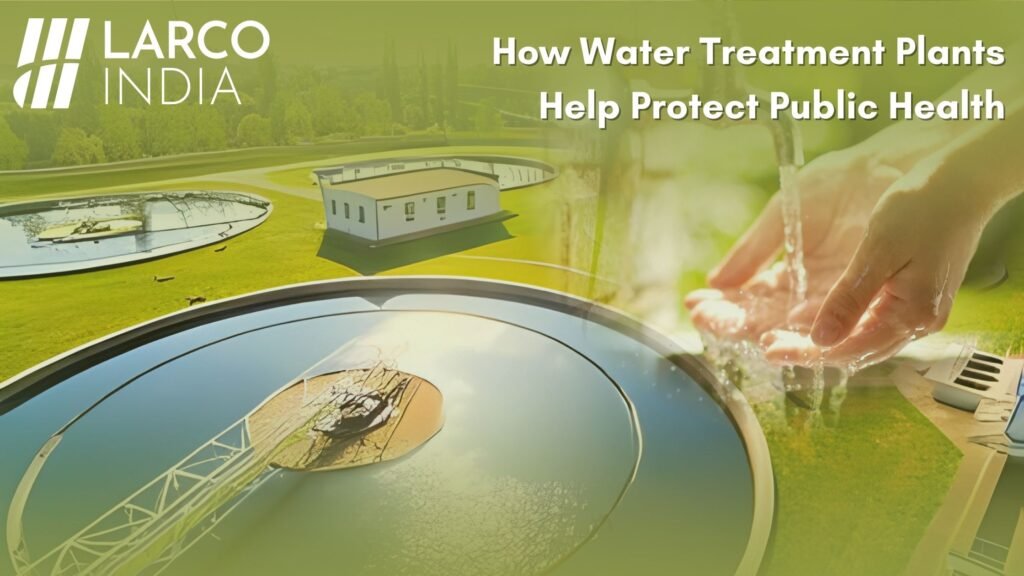
Access to clean and safe water is one of the most critical factors in maintaining public health. With increasing industrialization, urbanization, and population growth, natural water sources are becoming more vulnerable to contamination. This is where water treatment plants play a vital role.
Water treatment plants ensure that water supplied for drinking, industrial use, and domestic purposes meets safety standards. By removing physical, chemical, and biological impurities, these plants protect communities from serious health risks and waterborne diseases.
Why Safe Water Is Essential for Public Health
Unsafe water is a leading cause of diseases such as cholera, typhoid, dysentery, and hepatitis. Contaminated water can carry harmful microorganisms, toxic chemicals, and heavy metals that pose severe health risks.
Water treatment plants help:
✔ Prevent the spread of waterborne diseases
✔ Improve life expectancy and quality of life
✔ Protect vulnerable populations such as children and the elderly
✔ Support hygiene and sanitation standards
A reliable water treatment system is not just an infrastructure investment—it is an investment in public health.
How Water Treatment Plants Work
Water treatment plants follow a multi-stage purification process to ensure water safety:
- Screening and Pre-Treatment
Large debris such as plastics, leaves, and solid waste are removed to protect downstream equipment.
- Coagulation and Flocculation
Chemicals are added to bind fine particles together, forming larger clusters (flocs) that can be easily removed.
- Sedimentation
Heavy particles settle at the bottom, separating impurities from clear water.
- Filtration
Water passes through sand, carbon, or membrane filters to remove remaining suspended solids and microorganisms.
- Disinfection
Chlorination, UV treatment, or ozone is used to kill harmful bacteria, viruses, and pathogens.
This systematic process ensures that water is safe for human consumption and daily use.
Role of Water Treatment Plants in Preventing Diseases
One of the biggest contributions of water treatment plants is disease prevention. By eliminating pathogens and contaminants, these plants significantly reduce outbreaks of:
- Cholera
- Diarrhea
- Typhoid
- Hepatitis A & E
- Gastrointestinal infections
Treated water ensures that communities are protected from health emergencies caused by contaminated water supplies.
Importance of Water Treatment Plants in India
In India, water pollution from industrial effluents, sewage discharge, and agricultural runoff is a growing concern. Water treatment plants in India play a crucial role in:
- Providing safe drinking water to urban and rural areas
- Treating industrial wastewater before discharge or reuse
- Supporting government initiatives like clean water and sanitation missions
- Ensuring compliance with CPCB and local pollution control norms
With proper treatment infrastructure, industries and municipalities can safeguard public health while protecting the environment.
Industrial Water Treatment and Public Health
Industries consume large quantities of water and generate wastewater that may contain hazardous chemicals.
Industrial water treatment plants help:
- Prevent toxic discharge into rivers and groundwater
- Enable water reuse and recycling
- Reduce environmental and health risks to nearby communities
- Maintain safe water standards in food, pharmaceutical, and healthcare industries
Effective industrial water treatment directly contributes to healthier ecosystems and populations.
Environmental Protection and Community Wellbeing
Water treatment plants not only protect human health but also preserve aquatic life and ecosystems. Clean water bodies support agriculture, fisheries, and biodiversity, creating a healthier environment for communities to thrive.
A sustainable water treatment system ensures long-term availability of clean water for future generations.
Conclusion
Water treatment plants are the backbone of public health protection. By ensuring access to clean and safe water, they prevent diseases, support hygiene, and improve overall quality of life. In a country like India, where water resources face constant pressure, investing in advanced water treatment solutions is essential.
Organizations like Larco India Pvt. Ltd. contribute to this mission by delivering reliable, efficient, and sustainable water treatment systems that protect public health and the environment.