
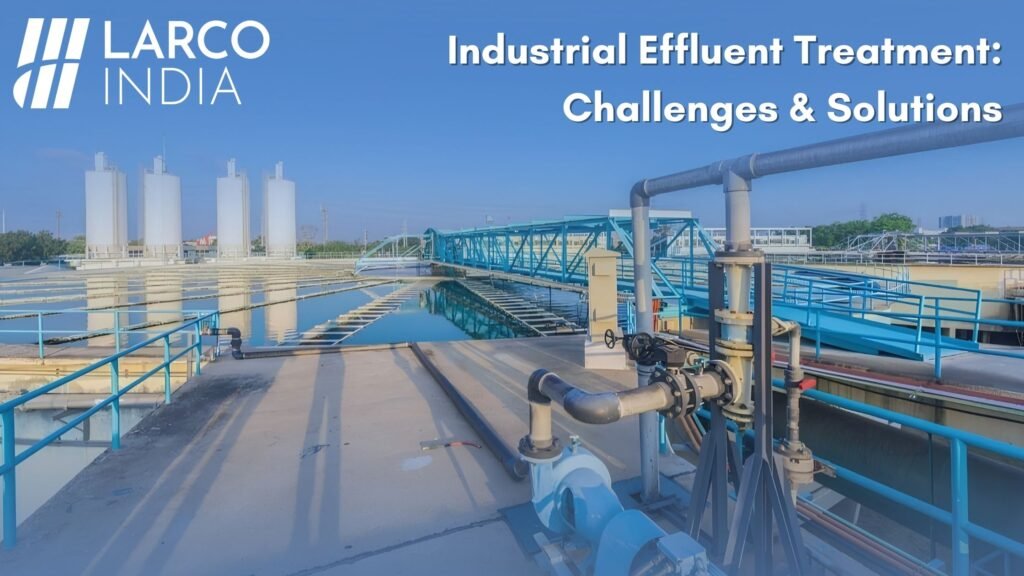
Rapid industrial growth has significantly increased the generation of wastewater containing chemicals, heavy metals, oils, and toxic substances. Industrial effluent treatment is essential to prevent environmental damage, protect public health, and ensure regulatory compliance.
An effective Effluent Treatment Plant (ETP) helps industries treat wastewater safely before discharge or reuse. However, industries face several technical, operational, and regulatory challenges in managing effluent efficiently.
This blog explores the major challenges in industrial effluent treatment and practical solutions to overcome them.
What Is Industrial Effluent Treatment?
Industrial effluent treatment is the process of removing pollutants from wastewater generated by industries such as pharmaceuticals, textiles, chemicals, food processing, power plants, and manufacturing units.
The goal of effluent treatment is to:
- Meet environmental discharge standards
- Protect water bodies and soil
- Enable water recycling and reuse
- Reduce health and ecological risks
Major Challenges in Industrial Effluent Treatment
- Variation in Effluent Characteristics
Industrial wastewater quality often fluctuates due to changes in raw materials, production cycles, and seasonal demand. This variation makes it difficult to maintain consistent treatment performance.
- Presence of Toxic and Hazardous Chemicals
Many industries discharge effluent containing heavy metals, acids, alkalis, solvents, and toxic compounds that are difficult to treat using conventional methods.
- High Treatment and Operational Costs
Effluent treatment involves energy consumption, chemicals, skilled manpower, and maintenance, leading to high operational expenses.
- Sludge Generation and Disposal
ETPs generate sludge that requires safe handling, treatment, and disposal, adding to compliance and cost challenges.
- Compliance with CPCB and SPCB Norms
Strict environmental regulations in India require industries to meet discharge standards set by CPCB and State Pollution Control Boards, which can be challenging without proper systems.
Effective Solutions for Industrial Effluent Treatment
- Customized Effluent Treatment Plant Design
Each industry produces different types of effluent. Designing customized ETP solutions based on wastewater characteristics ensures better treatment efficiency and cost optimization.
- Advanced Treatment Technologies
Modern technologies improve performance and reduce environmental impact:
Biological treatment systems
Membrane-based processes
Chemical treatment for toxic effluents
Tertiary treatment for water reuse
- Automation and Process Monitoring
Automated systems and real-time monitoring help maintain consistent water quality, reduce manual errors, and improve plant efficiency.
- Sludge Management Solutions
Using sludge dewatering systems and safe disposal methods reduces environmental risk and operational burden.
- Zero Liquid Discharge (ZLD) Approach
ZLD systems ensure that no liquid waste is discharged outside the plant. Treated water is reused, and solids are disposed of safely, making industries environmentally responsible.
Benefits of Efficient Industrial Effluent Treatment
- Compliance with environmental regulations
- Reduced pollution of rivers and groundwater
- Lower freshwater consumption through reuse
- Improved corporate environmental responsibility
- Long-term cost savings and sustainability
Industrial Effluent Treatment in India
In India, industrial pollution is a major concern due to water scarcity and population pressure. Efficient effluent treatment helps industries align with national environmental goals while supporting sustainable development.
Reliable solution providers like Larco India Pvt. Ltd. offer end-to-end effluent treatment solutions tailored to industrial needs, ensuring compliance and operational efficiency.
Conclusion
Industrial effluent treatment is no longer optional—it is a necessity for sustainable industrial growth. While challenges such as variable effluent quality, high costs, and strict regulations exist, modern treatment technologies and customized ETP solutions offer effective ways forward.
By investing in the right effluent treatment systems, industries can protect the environment, ensure compliance, and contribute to a cleaner and healthier future.