
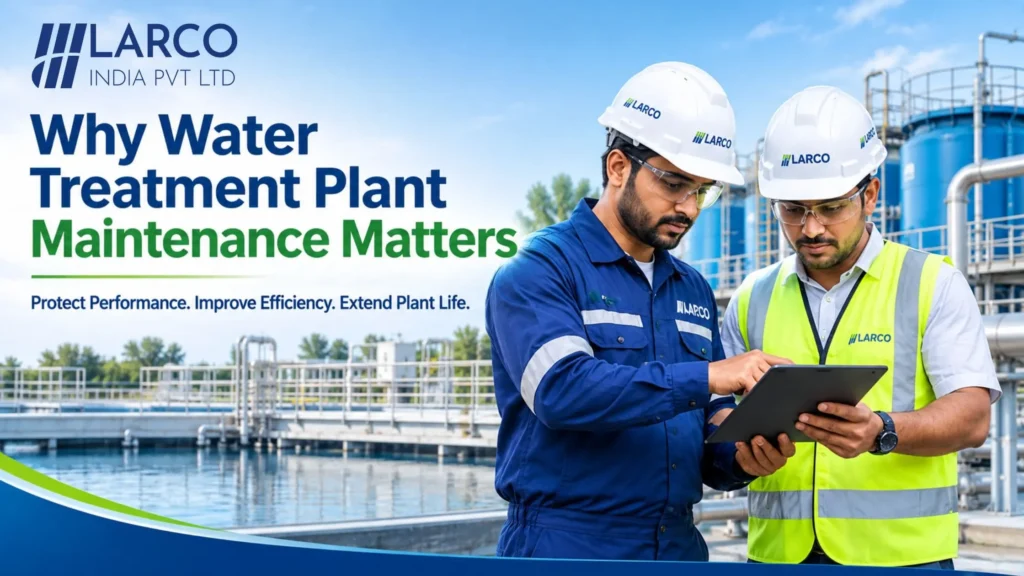
Water treatment plants play an essential role in providing clean, safe and reusable water for industrial, commercial and residential applications. From manufacturing facilities and pharmaceutical companies to hospitals, hotels and housing societies, properly maintained water treatment systems help ensure a reliable water supply and efficient wastewater management.
However, installing a water treatment plant is only the first step. Regular inspection, servicing and performance monitoring are necessary to maintain its efficiency and prevent unexpected breakdowns.
This is why water treatment plant maintenance services are important for every organisation that depends on consistent water quality and reliable plant operations.
1. Ensures Consistent Water Quality
A water treatment plant must operate efficiently to maintain the required water quality. Over time, filters, membranes, pumps, pipelines and other components may experience scaling, clogging or wear and tear.
Regular maintenance helps identify these issues and maintain the performance of the treatment system.
For industries where water quality directly affects production, routine maintenance is especially important.
2. Prevents Unexpected Equipment Breakdowns
Unexpected equipment failure can interrupt daily operations and increase maintenance expenses. Problems such as pump failure, membrane damage, leakage, blocked pipelines and electrical faults can affect the entire treatment process.
Professional water treatment plant maintenance services help identify potential problems at an early stage through scheduled inspections and preventive maintenance.
This reduces the possibility of sudden breakdowns and supports uninterrupted plant operations.
3. Improves Plant Efficiency and Performance
A properly maintained water treatment plant can operate more efficiently. Cleaning filters, checking pumps, monitoring pressure levels and inspecting treatment equipment help maintain system performance.
Regular maintenance of STP, ETP, RO and WTP systems also helps identify operational inefficiencies and areas that require improvement.
4. Reduces Operating and Repair Costs
Ignoring minor equipment problems can result in expensive repairs and equipment replacement.
Preventive maintenance helps organisations manage maintenance costs by identifying faults before they become major issues.
It can also help reduce unnecessary energy consumption, chemical wastage and water losses when combined with proper operational monitoring.
5. Extends Equipment Life
Water treatment equipment represents a significant investment. Components such as membranes, pumps, blowers, filters and dosing systems require periodic inspection and servicing.
Regular maintenance helps protect these components from premature damage and supports a longer equipment service life.
6. Supports Environmental Compliance
Industries and commercial establishments must manage wastewater responsibly and follow applicable environmental requirements.
An efficiently operated Effluent Treatment Plant (ETP) or Sewage Treatment Plant (STP) helps maintain the required treatment performance before treated water is reused or discharged, subject to applicable standards and permissions.
Regular monitoring and maintenance help organisations identify operational problems and maintain better control over treatment processes.
7. Supports Water Reuse and Conservation
Treated wastewater can be reused for suitable non-potable applications, depending on its quality and applicable requirements.
A properly maintained treatment system helps support water reuse for applications such as gardening, flushing, cooling towers and other industrial processes.
This can reduce freshwater demand and contribute to responsible water management.
8. Why Choose an Annual Maintenance Contract (AMC)?
An Annual Maintenance Contract (AMC) provides a planned approach to equipment servicing and maintenance.
Instead of waiting for equipment failure, organisations can arrange scheduled inspections and preventive servicing through an experienced maintenance team.
Typical AMC services may include:
Scheduled plant inspections
Preventive maintenance of equipment
Checking pumps, motors and blowers
Filter and membrane inspection
Checking chemical dosing systems
Identifying operational issues
Maintenance recommendations
Technical support as agreed in the contract
The scope and frequency of maintenance depend on the plant type, capacity, operating conditions and service agreement.
9. Importance of Professional Operation and Maintenance (O&M)
Operation and Maintenance (O&M) services focus on the day-to-day functioning and performance of water and wastewater treatment plants.
Professional O&M support may include:
Routine plant operation and monitoring
Monitoring treatment parameters
Chemical dosing management
Equipment inspection and servicing
Sludge handling and management
Operational troubleshooting
Performance monitoring and reporting
A planned O&M programme helps organisations maintain stable plant operations and identify opportunities for improvement.
10. When Does Your Water Treatment Plant Need Revamping?
Sometimes regular maintenance is not sufficient to restore the performance of an ageing or inefficient plant.
Plant revamping may be required when:
The plant is unable to meet its required treatment capacity.
Equipment frequently breaks down.
Operating costs are increasing.
Existing technology is outdated.
Treatment performance has declined.
Production or water requirements have changed.
Revamping may involve equipment replacement, process improvements, system upgrades or capacity enhancement, depending on the plant assessment.
11. Which Water Treatment Plants Require Regular Maintenance?
Different treatment systems require different maintenance schedules and technical expertise.
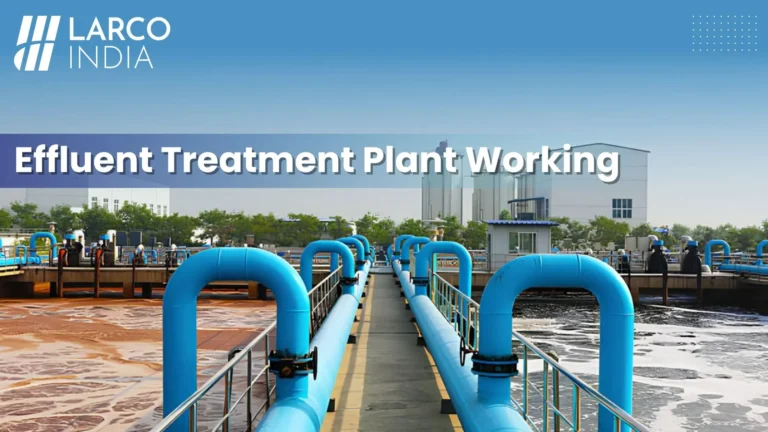
Effluent Treatment Plant (ETP): Helps treat industrial wastewater generated by manufacturing, pharmaceutical, chemical and other industrial processes.
Sewage Treatment Plant (STP): Treats domestic sewage from residential societies, hotels, hospitals, institutions and commercial buildings.
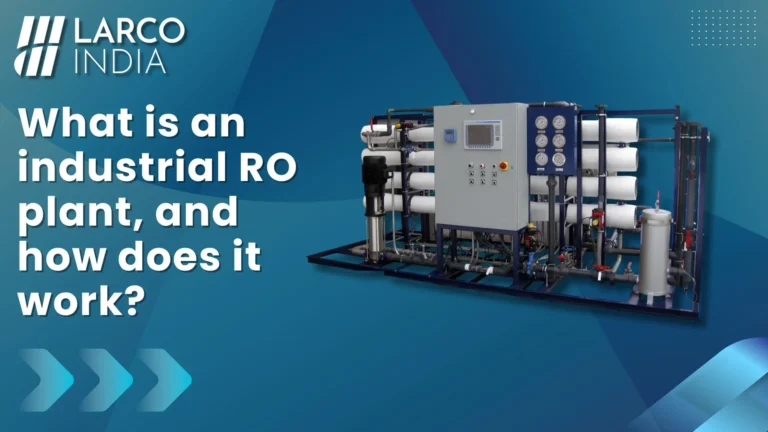
Reverse Osmosis (RO) Plant: Requires membrane inspection, filter replacement, pressure monitoring and regular system cleaning as needed.
Water Treatment Plant (WTP): Requires inspection of filtration units, pumps, dosing systems, pipelines and other treatment equipment.
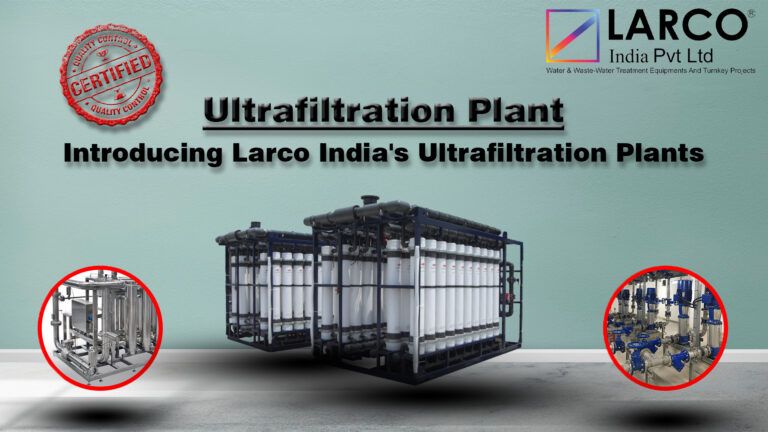
Ultrafiltration (UF) Plant: Requires membrane monitoring, cleaning and operational checks to maintain filtration performance.
LARCO AMC360 – Complete Care for Water and Wastewater Treatment Plants
LARCO India provides water and wastewater treatment solutions along with maintenance and technical support for different industrial and commercial applications.
Through LARCO AMC360, organisations can explore maintenance solutions designed around their plant requirements.
Our AMC360 services cover:
Annual Maintenance Contract (AMC)
Scheduled inspection and preventive maintenance for STP, ETP, RO and WTP systems.
Operation and Maintenance (O&M)
Operational support, routine monitoring and maintenance for STP, ETP, RO, WTP and solid waste management systems.
Plant Revamping
Upgradation and improvement of existing STP, ETP, RO and WTP facilities to address changing operational requirements.
Our approach focuses on plant reliability, operational efficiency and responsible water management.
Conclusion
Regular maintenance is essential for maintaining the performance, reliability and efficiency of water treatment plants. Whether it is an industrial ETP, residential STP, commercial RO system or large water treatment facility, planned maintenance can help reduce unexpected breakdowns, control operating costs and support consistent treatment performance.
Choosing suitable water treatment plant maintenance services helps organisations protect their equipment investment and manage their water and wastewater treatment systems more effectively.
Need Reliable Maintenance for Your Treatment Plant?
LARCO AMC360 offers AMC, O&M and revamping solutions for STP, ETP, RO and WTP plants.