
Wastewater Solutions for the Pulp and Paper Industry: Improving Sustainability and Compliance
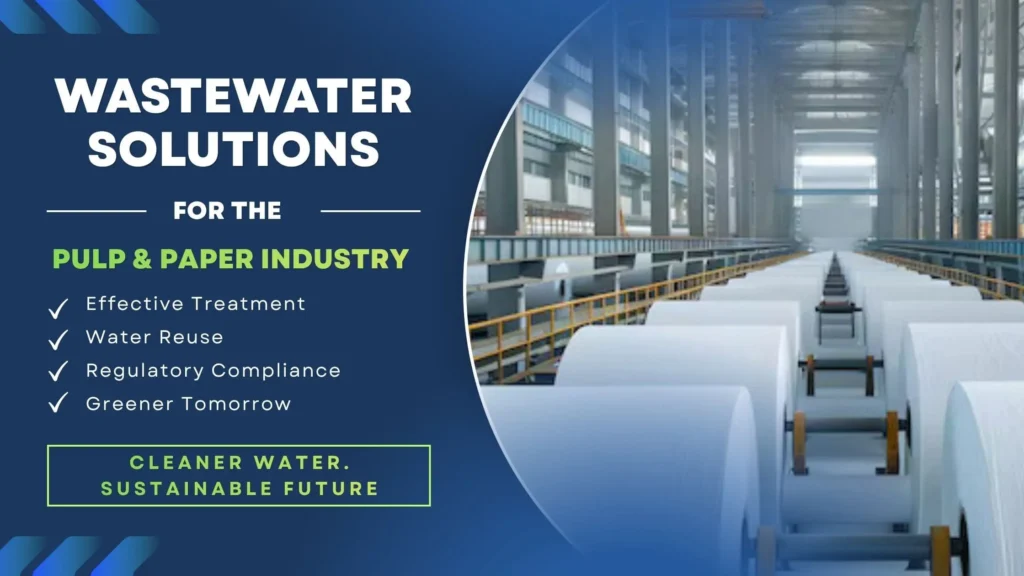
The pulp and paper industry plays a vital role in supplying products used in everyday life, from packaging materials and newspapers to tissue paper and cardboard. However, paper manufacturing processes consume large amounts of water and generate significant volumes of wastewater containing organic matter, suspended solids, chemicals, color, and other pollutants. Effective wastewater solutions for the pulp and paper industry are essential to meet environmental regulations, reduce operating costs, and support sustainable production practices.
Understanding Wastewater in the Pulp and Paper Industry
During pulping, bleaching, washing, and paper-making processes, large quantities of wastewater are generated. This wastewater typically contains high levels of Biological Oxygen Demand (BOD), Chemical Oxygen Demand (COD), Total Suspended Solids (TSS), lignin, chlorinated compounds, and other contaminants. If discharged without proper treatment, these pollutants can negatively impact aquatic ecosystems and public health.
As environmental regulations become stricter, industries must invest in advanced wastewater treatment solutions to ensure compliance and minimize environmental impact.
Challenges Faced by the Pulp and Paper Industry
The treatment of pulp and paper wastewater presents several challenges:
- High organic load and suspended solids
- Variable wastewater characteristics
- High water consumption
- Presence of color-causing compounds
- Compliance with stringent discharge standards
- Rising operational and water procurement costs
To address these challenges, industries require reliable and efficient wastewater treatment systems designed specifically for pulp and paper applications.
Effective Wastewater Solutions for the Pulp and Paper Industry
1. Primary Treatment Systems
Primary treatment is the first stage of wastewater treatment. It removes large solids, fibers, and suspended particles through screening, sedimentation, and clarification processes. This step helps reduce the load on downstream treatment units and improves overall treatment efficiency.
2. Biological Treatment Systems
Biological treatment is widely used in the pulp and paper industry to remove organic pollutants. Aerobic and anaerobic treatment processes utilize microorganisms to break down biodegradable substances present in wastewater.
Benefits include:
- Significant reduction in BOD and COD
- Lower sludge production
- Reduced energy consumption in anaerobic systems
- Improved compliance with discharge norms
3. Activated Sludge Process (ASP)
The Activated Sludge Process is one of the most effective wastewater treatment methods for paper mills. It uses aeration tanks and microbial activity to remove organic contaminants efficiently.
Advantages include:
- High treatment efficiency
- Reliable operation
- Suitable for large-scale paper manufacturing facilities
4. Membrane-Based Treatment Technologies
Modern pulp and paper plants increasingly adopt membrane technologies such as Ultrafiltration (UF) and Reverse Osmosis (RO). These systems provide advanced treatment and enable water reuse within the facility.
Key benefits:
- Superior contaminant removal
- Reduced freshwater consumption
- Improved water recovery rates
- Lower environmental footprint
5. Zero Liquid Discharge (ZLD) Systems
Many industries are moving toward Zero Liquid Discharge systems to eliminate wastewater discharge completely. ZLD solutions combine multiple treatment technologies to recover and recycle water while minimizing waste generation.
Benefits include:
- Maximum water recovery
- Regulatory compliance
- Reduced environmental impact
- Long-term cost savings
Benefits of Advanced Wastewater Solutions
Implementing efficient wastewater solutions for the pulp and paper industry offers several advantages:
Environmental Protection
Proper treatment prevents pollutants from entering natural water bodies, protecting aquatic ecosystems and surrounding communities.
Regulatory Compliance
Modern wastewater treatment systems help industries comply with local and national environmental regulations, avoiding penalties and operational disruptions.
Water Conservation
Water recycling and reuse reduce dependence on freshwater sources and support sustainable manufacturing practices.
Cost Reduction
Efficient treatment systems lower water procurement costs, reduce wastewater discharge fees, and improve overall operational efficiency.
Enhanced Corporate Sustainability
Adopting advanced wastewater solutions demonstrates environmental responsibility and strengthens a company’s sustainability profile.
Conclusion
Wastewater management has become a critical priority for the pulp and paper industry. With increasing environmental regulations and growing concerns about water scarcity, investing in advanced wastewater solutions for the pulp and paper industry is essential for sustainable growth. Technologies such as biological treatment, membrane filtration, activated sludge systems, and Zero Liquid Discharge solutions help industries reduce pollution, conserve water, and improve operational efficiency.
By implementing the right wastewater treatment strategy, pulp and paper manufacturers can achieve regulatory compliance, reduce costs, and contribute to a cleaner and more sustainable future.
Need Wastewater Treatment Solutions for Your Pulp & Paper Industry?
Get customized and efficient wastewater treatment solutions designed for your pulp and paper processing requirements.